The Ultimate Guide to Drain Field Repair in Niceville, FL
If you’re a homeowner in Niceville, FL, encountering issues with your septic system can be both stressful and confusing. One of the most significant concerns is recognizing when drain field repair is needed. The drain field, also known as a leach field, is an essential component of your septic system, responsible for safely dispersing and filtering household wastewater into the soil. When it malfunctions, it can lead to improper drainage, soggy lawns, foul odors, and costly property damage. Understanding how drain fields operate and the repair process is key to protecting your home, yard, and overall investment. Drain fields rely on a carefully balanced combination of soil, pipe design, and proper maintenance to function effectively. Over time, factors such as soil compaction, excessive water usage, root intrusion, or aging materials can compromise their performance. By learning the early warning signs of failure and understanding available repair techniques, homeowners can take proactive steps to address problems before they escalate, preserving both the health of their system and the value of their property.
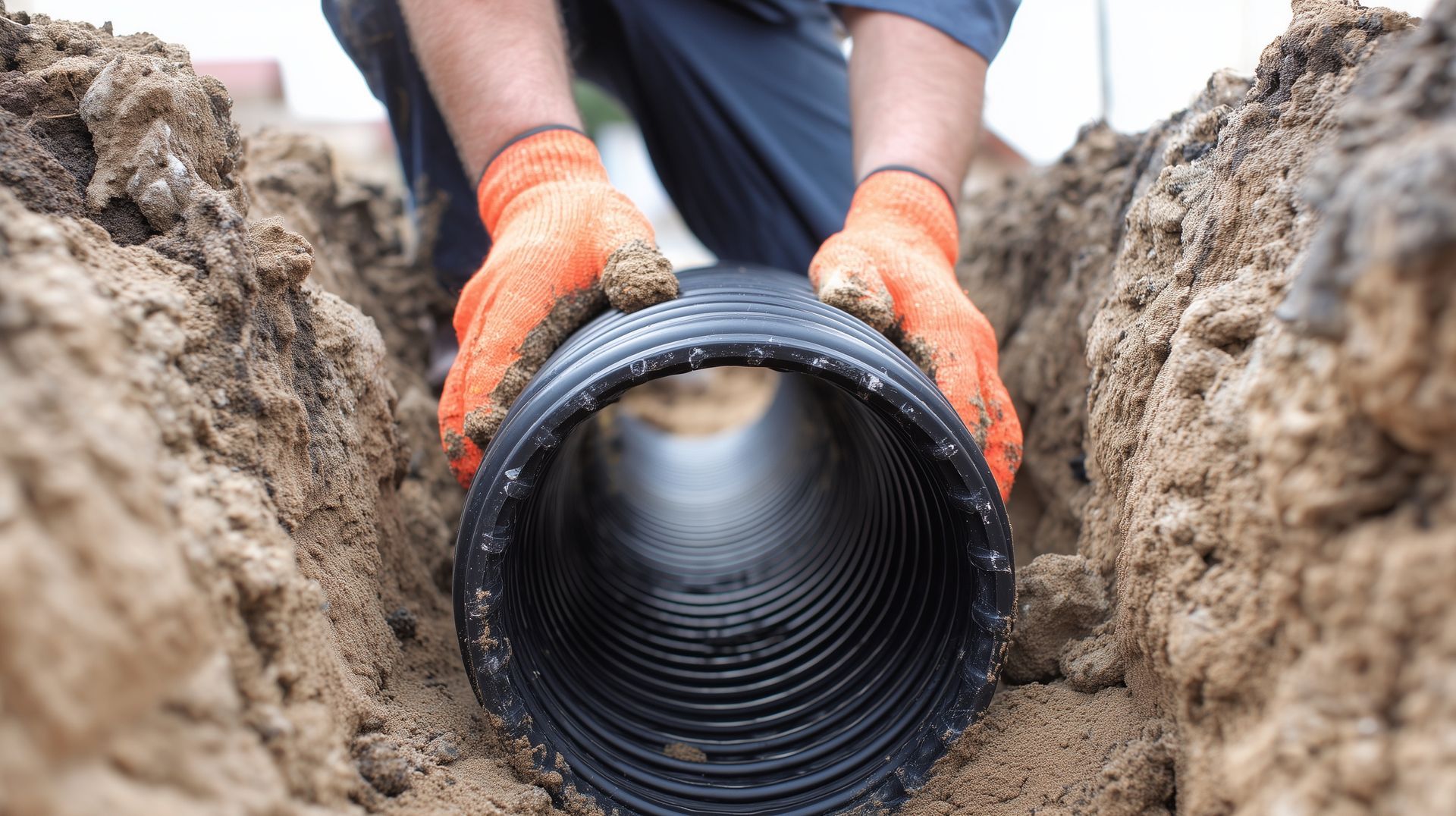
Expert Inspection and Diagnostics: Catch Drain Field Issues Before They Escalate
Professional inspection is the cornerstone of effective drain field repair. Early detection of potential issues can prevent costly damage and ensure the septic system continues to operate efficiently. Professional diagnostics go beyond surface-level observation, combining experience, technology, and careful analysis to identify the underlying causes of drain field problems.
During a comprehensive inspection, technicians typically:
- Conduct a visual assessment of the drain field and surrounding areas, looking for standing water, soggy soil, foul odors, or unusually lush vegetation that may indicate improper drainage.
- Use advanced camera and sensor technology to inspect underground pipes for clogs, cracks, leaks, or root intrusion that can compromise the system’s function.
- Perform soil absorption and saturation tests to determine whether the drain field is properly dispersing wastewater and if the soil structure is still effective.
- Evaluate septic tank performance by checking water levels, sludge buildup, and the condition of baffles and filters to ensure that solids are not entering the drain field prematurely.
- Review household water usage patterns and system history to identify behaviors or conditions that could contribute to premature drainfield failure.
Effective Methods for Repairing or Replacing Damaged Drain Fields
When a drain field shows signs of failure, timely intervention is essential to prevent system backups and property damage. Drain field repair involves addressing the specific cause of the problem, whether it’s clogged pipes, soil issues, or structural damage. Professionals evaluate the condition of the system and recommend the most appropriate solution based on severity and long-term effectiveness.
Common repair and replacement methods include:
- Pipe and line repair: Removing blockages, repairing cracks, or replacing damaged sections of the distribution pipes to restore proper wastewater flow.
- Soil conditioning and aeration: Treating clogged or compacted soil by aerating, adding absorbent materials, and improving drainage to rejuvenate the existing field.
- Partial replacement: Excavating and installing new sections of the drain field while keeping functional areas intact, which reduces cost and disruption.
- Full replacement: Completely replacing the drain field with new piping, gravel beds, and properly prepared soil when the existing system is beyond repair.
- System redesign: Adjusting slope, layout, or pipe distribution to improve performance and prevent future failures.
Preventative Maintenance Tips to Extend the Life of Your Drain Field
Proper maintenance is the most effective way to avoid costly drain field repair and ensure your septic system continues to function efficiently for decades. A well-maintained drain field not only protects your property from water damage and unpleasant odors but also supports the long-term health of your septic system. Homeowners can take several proactive steps to prevent common problems such as soil compaction, clogged pipes, and system overload.
Key preventative measures include the following:
- Schedule regular professional inspections: Annual inspections by a certified technician can identify early signs of failure, such as slow drainage, wet spots, or uneven vegetation. Catching issues early allows for targeted repairs before major damage occurs.
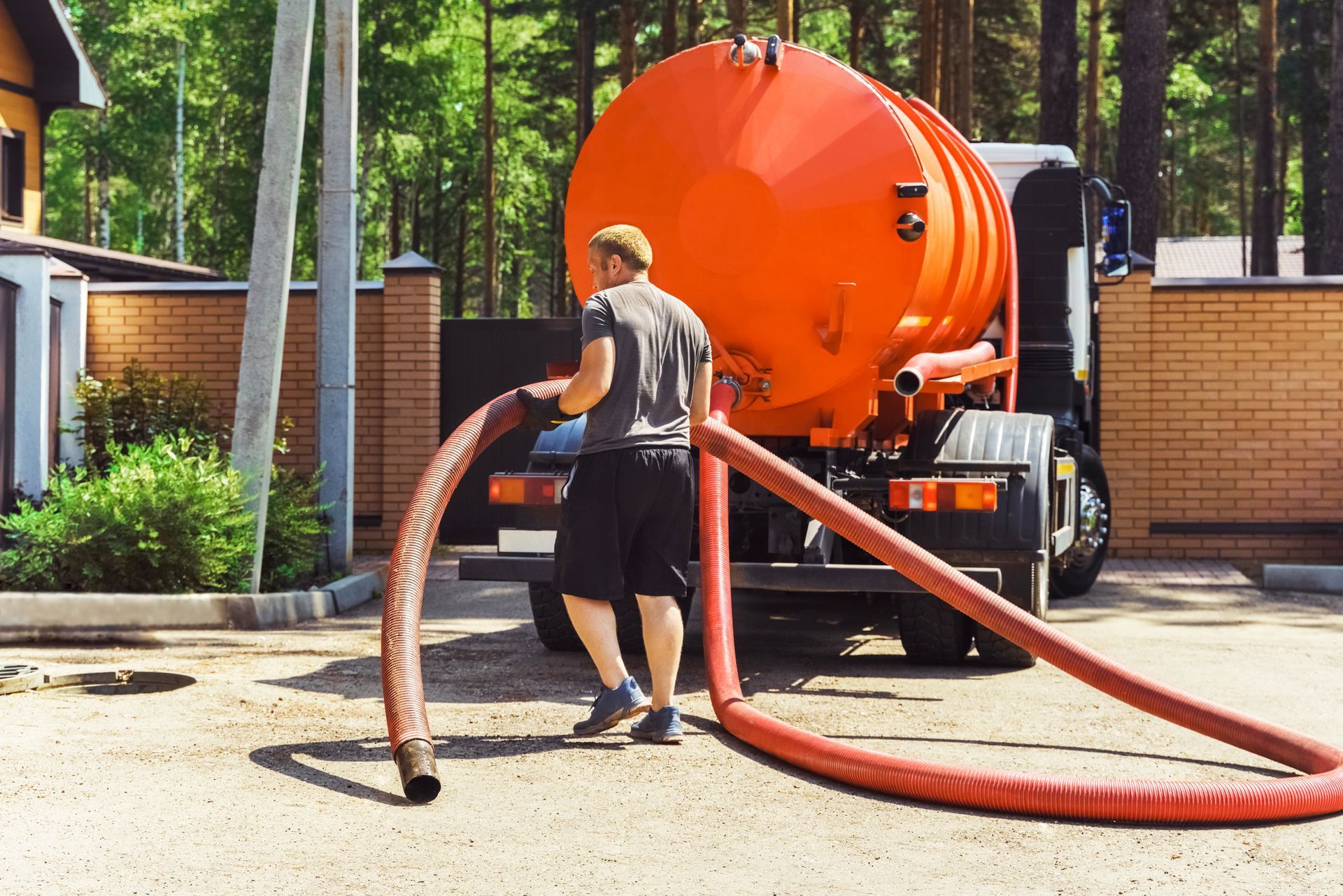
- Pump your septic tank on schedule: Removing accumulated solids every 3–5 years (or more frequently for larger households) prevents these materials from reaching the drain field and causing blockages that reduce soil absorption.
- Conserve water in the home: Excessive water entering the system can overwhelm the drain field. Simple steps like fixing leaks promptly, spreading out laundry loads, installing low-flow fixtures, and using water-efficient appliances help maintain the system’s balance.
- Protect the drain field area from physical damage: Avoid parking vehicles, building structures, or planting deep-rooted trees over the drain field. Heavy equipment and roots can compact the soil and damage the underground pipes, reducing the system’s effectiveness.
- Manage household chemicals carefully: Limiting the use of harsh cleaning products, bleach, and other chemicals protects the beneficial bacteria that break down wastewater in your septic tank and drain field. Avoid pouring grease, coffee grounds, or non-biodegradable materials down drains.
- Maintain proper landscaping: Keep grass or shallow-rooted plants over the drain field, which helps absorb moisture and prevent erosion without interfering with pipes. Ensure proper grading to direct surface water away from the drain field to avoid oversaturation.
- Monitor system performance: Pay attention to slow drains, gurgling sounds, or unusual odors. Early detection of these signs allows homeowners to schedule repairs proactively, reducing the risk of complete drain field failure.
Ready to protect your home and prevent costly issues? Contact us today to schedule a professional drain field repair inspection and catch problems early. Don’t wait for a system failure, take proactive steps now to keep your drain field running efficiently and lasting for years to come.