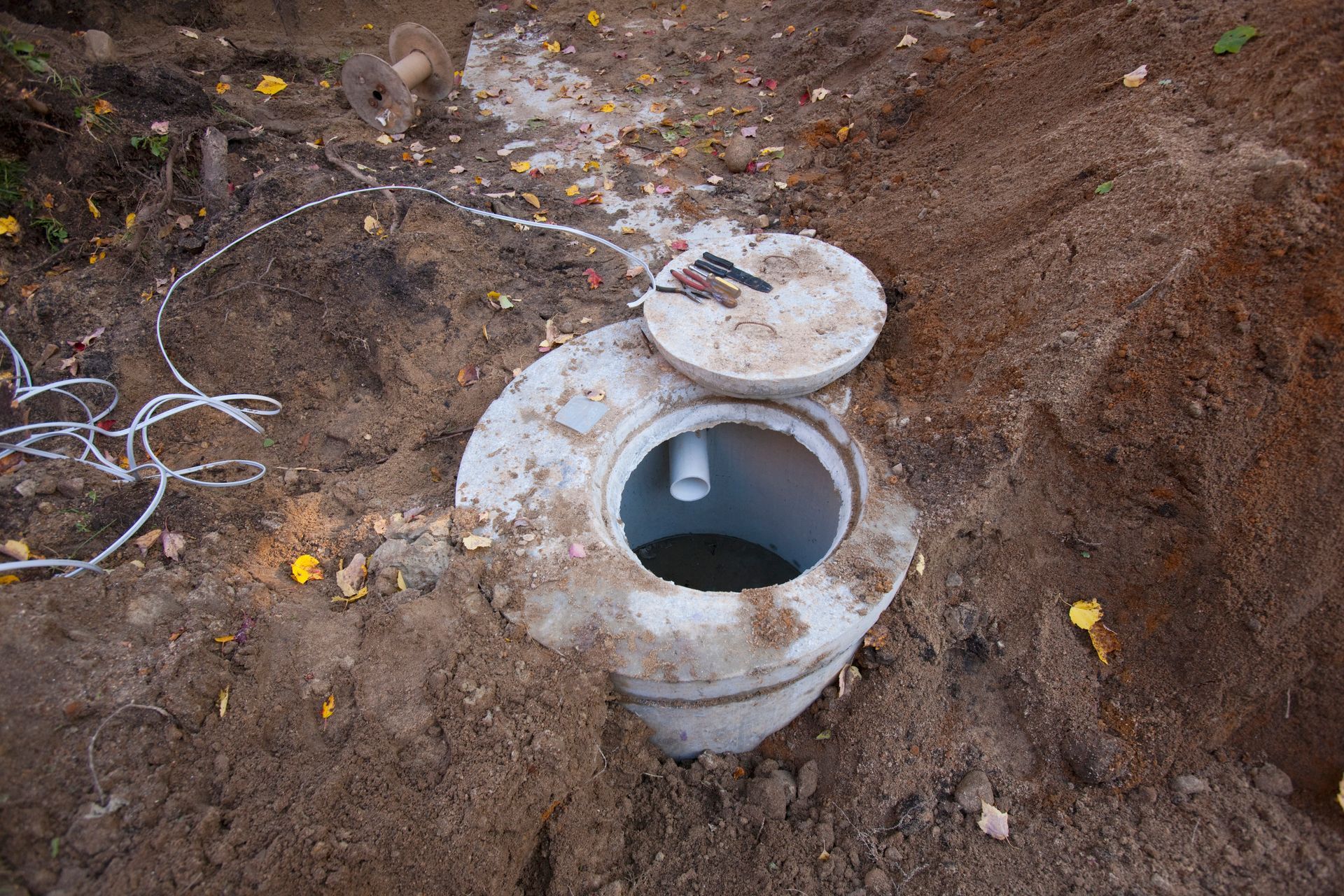
Septic System Install: Choosing the Right System for Sandy Soil
Choosing the right septic system starts with understanding what is beneath your feet, and in Okaloosa County, FL, that often means dealing with sandy, high-permeability soil. A septic system install in this region is not one-size-fits-all. The Florida Panhandle's sandy terrain moves water fast, which can work in your favor or against you depending on how well the system is matched to your lot. This guide explains how four common system types perform in sandy soil so you can make a confident decision before breaking ground.
Why Sandy Soil Changes Everything for a Septic System Install
Sandy soil drains quickly because its large particles leave plenty of space for water to move through. That speed can be an asset, but it also creates a challenge: if wastewater moves through the soil too fast, it may not receive adequate treatment before reaching groundwater.
A soil evaluation, also called a percolation test, is required before any permit can be issued. As of January 2, 2025, the Florida DEP manages septic permitting in 16 counties, including Okaloosa, and all new applications, site evaluations, and inspections flow through the DEP's Northwest District office. That evaluation measures how quickly soil absorbs water, and the result determines which system types the DEP will approve for your parcel.
Homeowners in Crestview, Niceville, and surrounding communities often find their sandy lots qualify for more than one system type, making it important to understand the pros and cons of each option.
Which System Type Is Right for Sandy Soil in Okaloosa County, FL?
The answer depends on your lot size, water table depth, proximity to waterways, and soil evaluation results. Here are the four main system types and how each performs in sandy Panhandle soil.
Conventional Gravity Systems
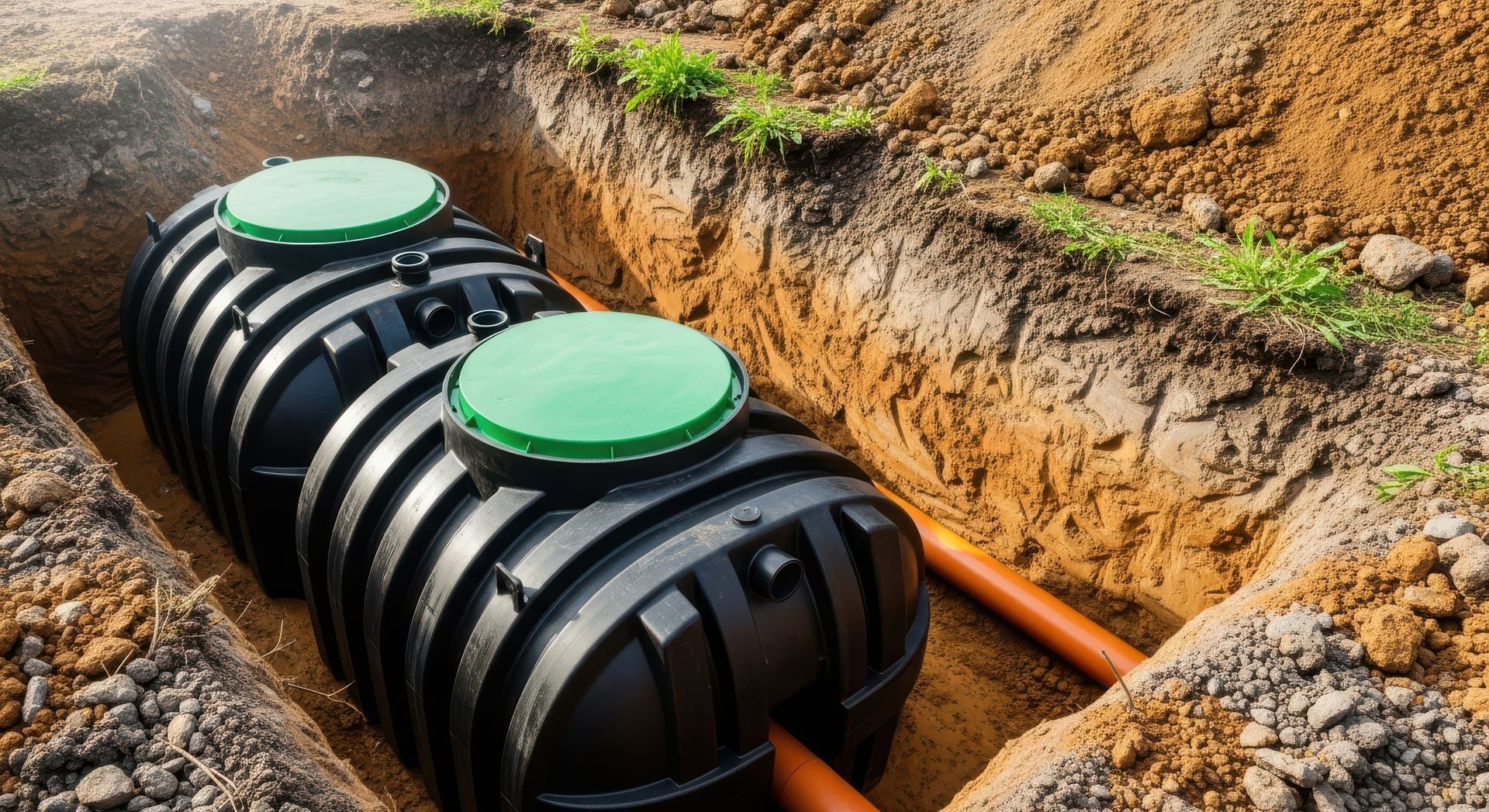
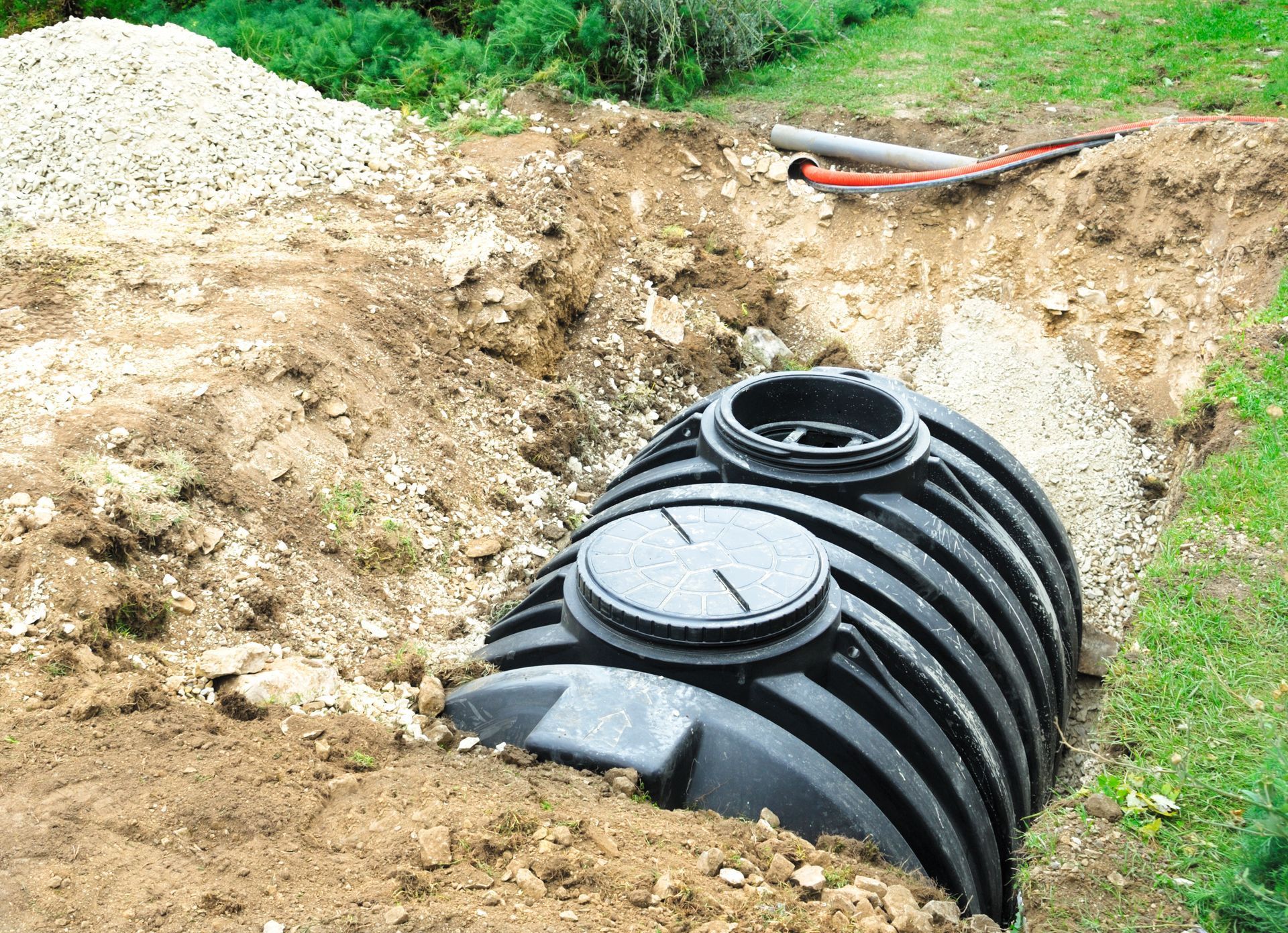
A conventional gravity system is the simplest and most commonly approved option when site conditions support it. Wastewater flows from the septic tank to an in-ground drainfield by gravity alone, with no pump required. Sandy soils allow wastewater to drain and filter efficiently, often making them suitable for conventional designs on properties in communities like Crestview, Baker, and Laurel Hill.
The main risk in very fast-draining sandy soil is that effluent may not spend enough time in the treatment zone. Your site evaluation will confirm whether your soil's absorption rate falls within an acceptable range. Choosing the right septic system install for these conditions early in the process helps avoid costly redesigns later.
Mound Systems
A mound system may be recommended when native soil drains too quickly or when the seasonal water table sits too close to the surface. An engineered mound of sand and gravel is built on top of the existing soil, and effluent is pumped into it, treated as it filters downward, then dispersed into the native soil below.
Florida's administrative code requires a 24-inch separation between the wet-season water table and the bottom of the drainfield. When that separation cannot be achieved in the ground, building up is the answer. Mound systems require adequate horizontal space and involve more excavation and imported material than a conventional system.
Aerobic Treatment Units (ATUs)
An aerobic treatment unit, or ATU, may be required when a property sits near environmentally sensitive water or when a conventional system cannot meet state standards. In Okaloosa County, ATUs are common on smaller lots near Destin, Fort Walton Beach, and Niceville, where proximity to the Gulf of Mexico, Choctawhatchee Bay, and Santa Rosa Sound triggers tighter environmental standards.
ATUs inject air into the tank to support aerobic bacteria, producing effluent 90 to 95 percent cleaner than a conventional septic tank. That higher-quality effluent may allow a smaller drainfield, which matters on compact coastal lots.
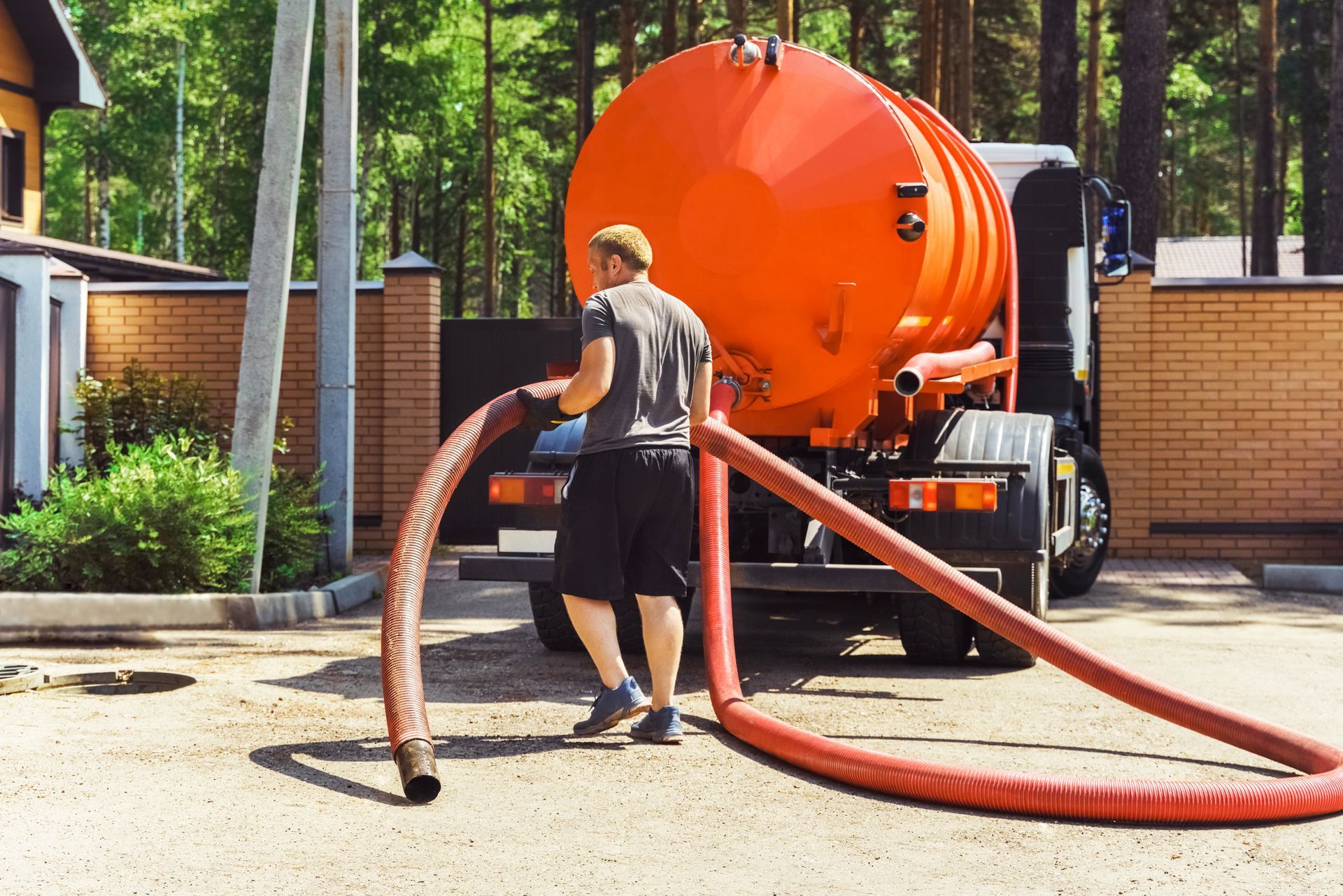
Florida law requires quarterly service visits for most ATU systems, during which a licensed technician checks the air pump, timer, float switches, and effluent quality. Performance-based systems require yearly permits tied to a maintenance contract with an approved provider.
Drip-Irrigation Systems
A drip-irrigation system can be a strong alternative when lot constraints or rapid percolation make other options less practical. Treated wastewater is dispersed slowly through subsurface tubing within the top 6 to 12 inches of soil, giving sandy soil the time it needs to properly treat the effluent. The controlled dosing schedule directly addresses the rapid-absorption issue common in Okaloosa County.
No large mound is needed, but electrical power and additional components mean added expense and maintenance. This system type may suit lots where a mound would be visually intrusive or where space is limited.
Permitting and Approval: What to Expect
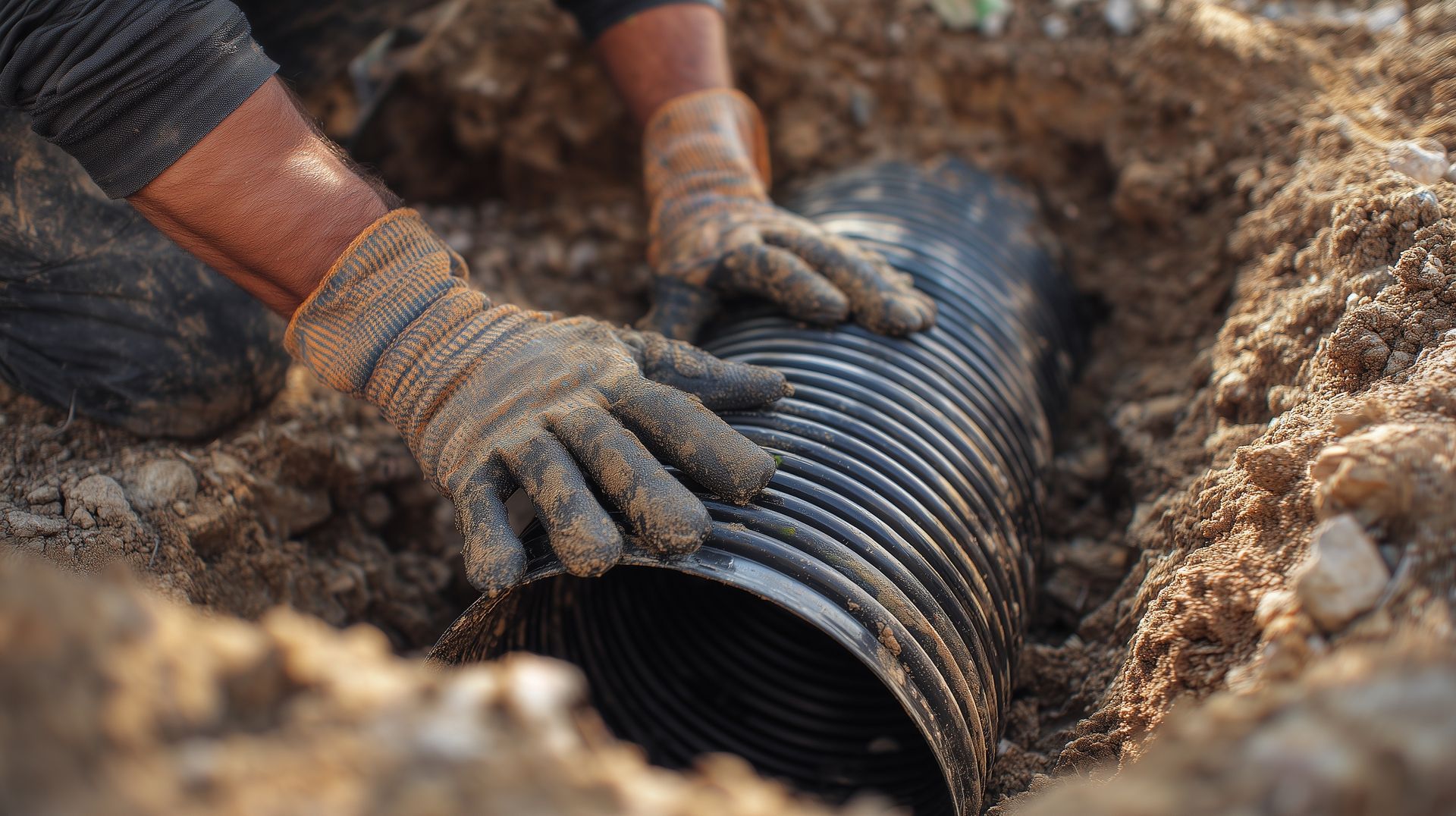
Every septic system install in Okaloosa County, FL, requires a permit before any work begins. Florida law mandates a permit for the installation, modification, repair, or abandonment of any onsite sewage treatment and disposal system. Only a DEP-licensed contractor can perform the installation, and Florida requires at least a final inspection. Working with an experienced local contractor makes the permitting process significantly smoother because they already understand DEP requirements, local soil profiles, and what inspectors look for in this region.
Frequently Asked Questions
What Type of Septic System Works Best in Sandy Soil?
Conventional gravity systems often perform well in sandy soil when the percolation rate falls within acceptable limits and water table separation meets state requirements.
Does Sandy Soil Require a Special Septic System in Florida?
Not always. A site evaluation determines whether a conventional system qualifies or whether an alternative such as a drip-irrigation or aerobic unit is needed.
Who Approves Septic Permits in Okaloosa County, FL?
As of January 2025, the Florida DEP's district offices manage septic system permitting in many counties statewide, replacing the previous county health department process.
How Long Does a Septic System Install Take in Okaloosa County?
Timelines vary by system type and permit processing, but most residential installations are completed within a few days once the permit is approved.
Ready to Move Forward? Talk to the Experts Serving Okaloosa County
Zeb Watts Septic brings local knowledge to every
septic system installation job, handling site evaluation coordination, permit preparation, and installation from start to finish. Call
(850) 826-2982 for a free estimate. Visit
Zeb Watts Septic on Google or submit a request through our
contact and estimate page.