What Type of Septic System Do You Need in Okaloosa County, FL? A Septic Install Guide
Choosing the right septic system for your property in Okaloosa County, FL, is one of the most important decisions you will make as a homeowner or builder. Soil conditions, lot size, water table depth, and proximity to coastal waterways all shape which system the Florida Department of Environmental Protection (DEP) will approve for your parcel. This guide covers the three most common system types approved in the area so you can enter the permitting process well informed.
Who Oversees Septic Permitting in Okaloosa County, FL?
As of January 2, 2025, the Florida DEP manages septic system permitting in 16 counties, including Okaloosa, Santa Rosa, and Walton. All new system applications, site evaluations, and inspections flow through the DEP's Northwest District office rather than the county health department.
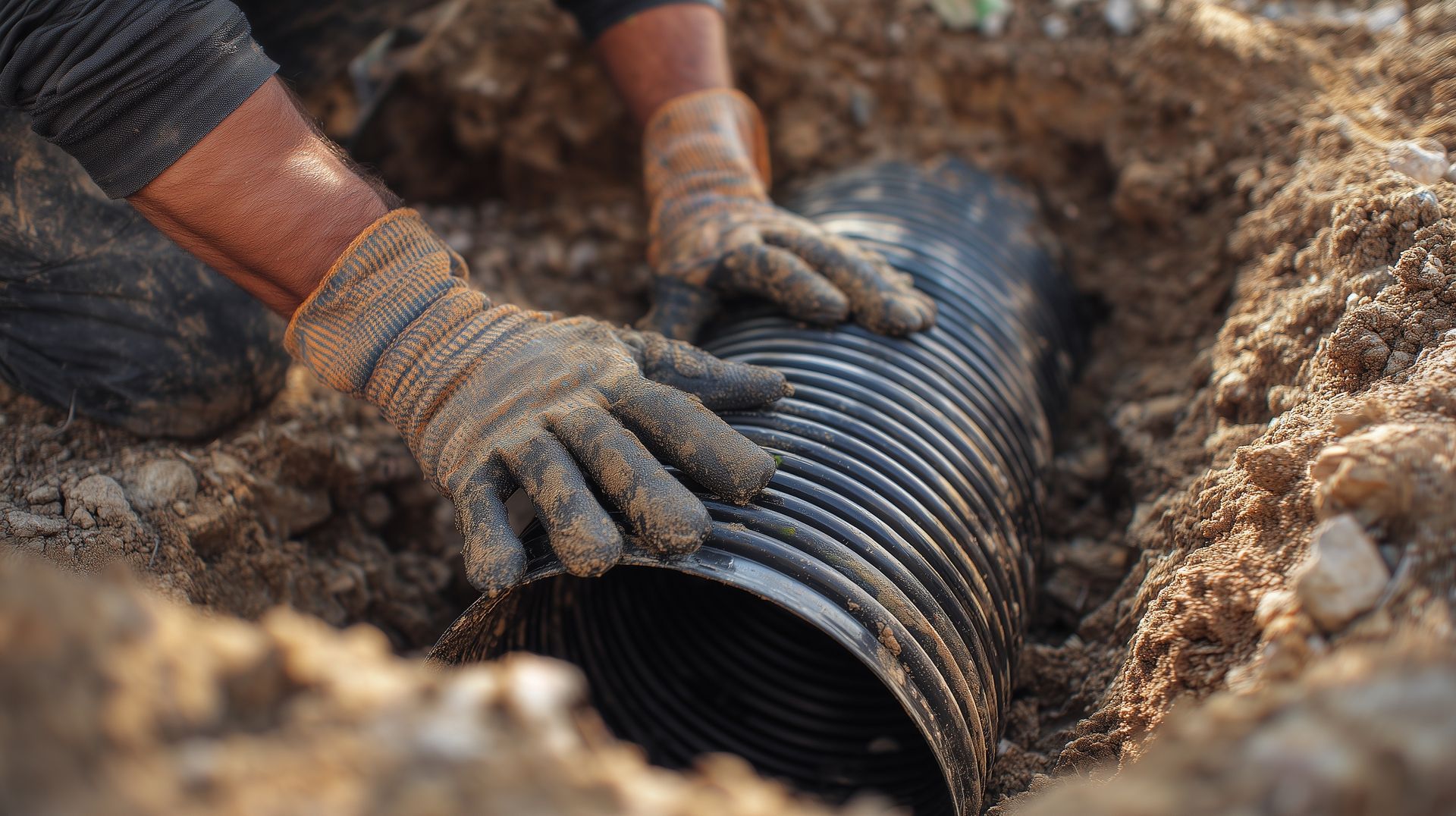
Only a DEP-licensed contractor can perform a Septic Install. The contractor builds the system to the approved design and schedules inspections at key stages. Florida requires at least a final inspection.
What Are the Main Septic System Types Used in Okaloosa County?
The three most common options are conventional gravity systems, aerobic treatment units (ATUs), and drip-irrigation systems. Understanding these early helps you plan your Septic Install with realistic expectations about cost and timeline.
Conventional Gravity Systems
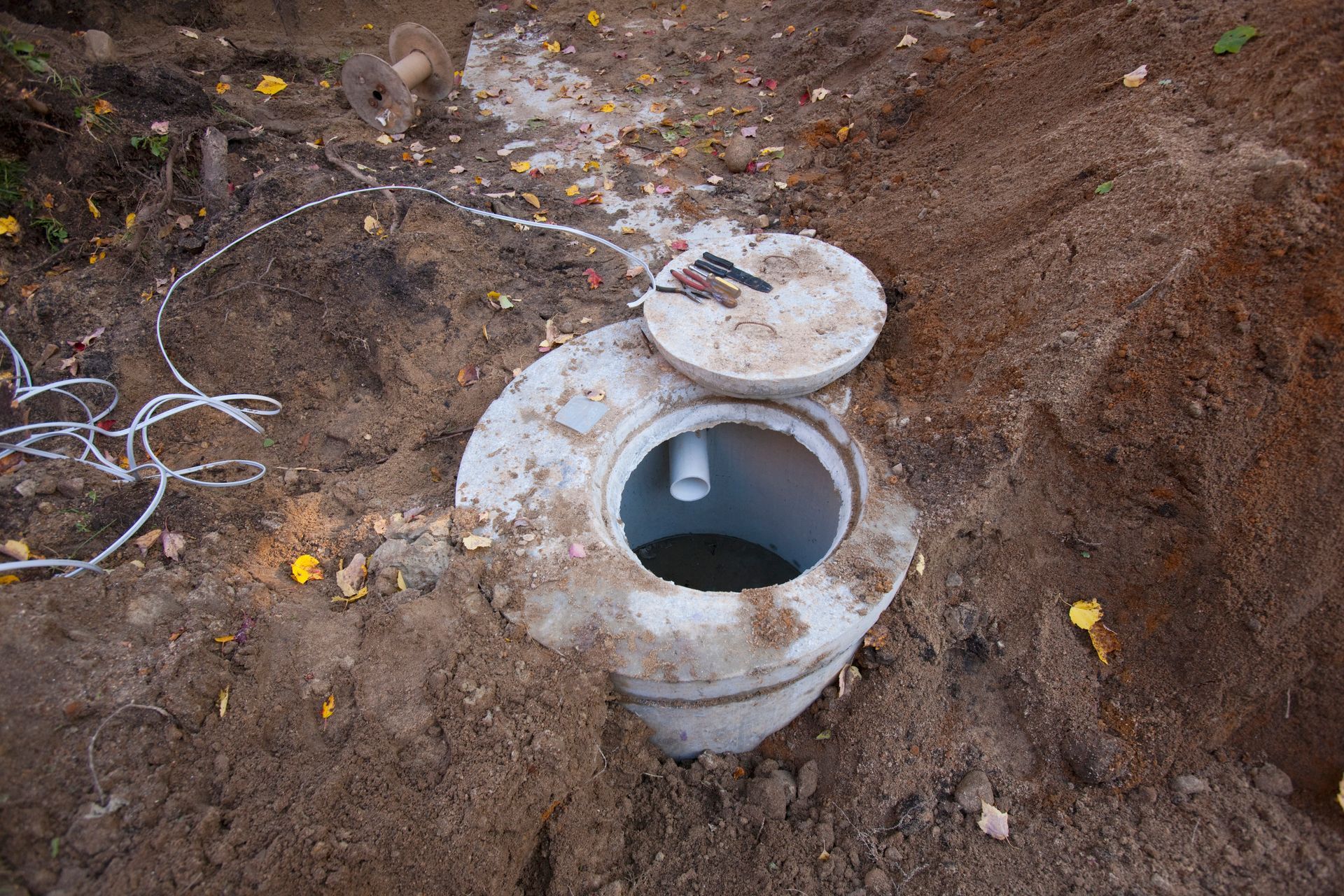
A conventional gravity system is the most straightforward option when site conditions allow. These systems are standard across much of the Panhandle where sandy soils and adequate water table separation exist. Properties in Okaloosa County communities like Crestview, Baker, and Laurel Hill tend to sit on well-drained soils with sufficient lot size. On those parcels, a conventional system is often the simplest path to a permitted Septic Install in Okaloosa County, FL.
Not every parcel qualifies, however. Clay soils require a larger drainfield footprint, and if your lot cannot accommodate that footprint or maintain the mandatory separation from the wet season water table, you will need an alternative system type.
Aerobic Treatment Units (ATUs)
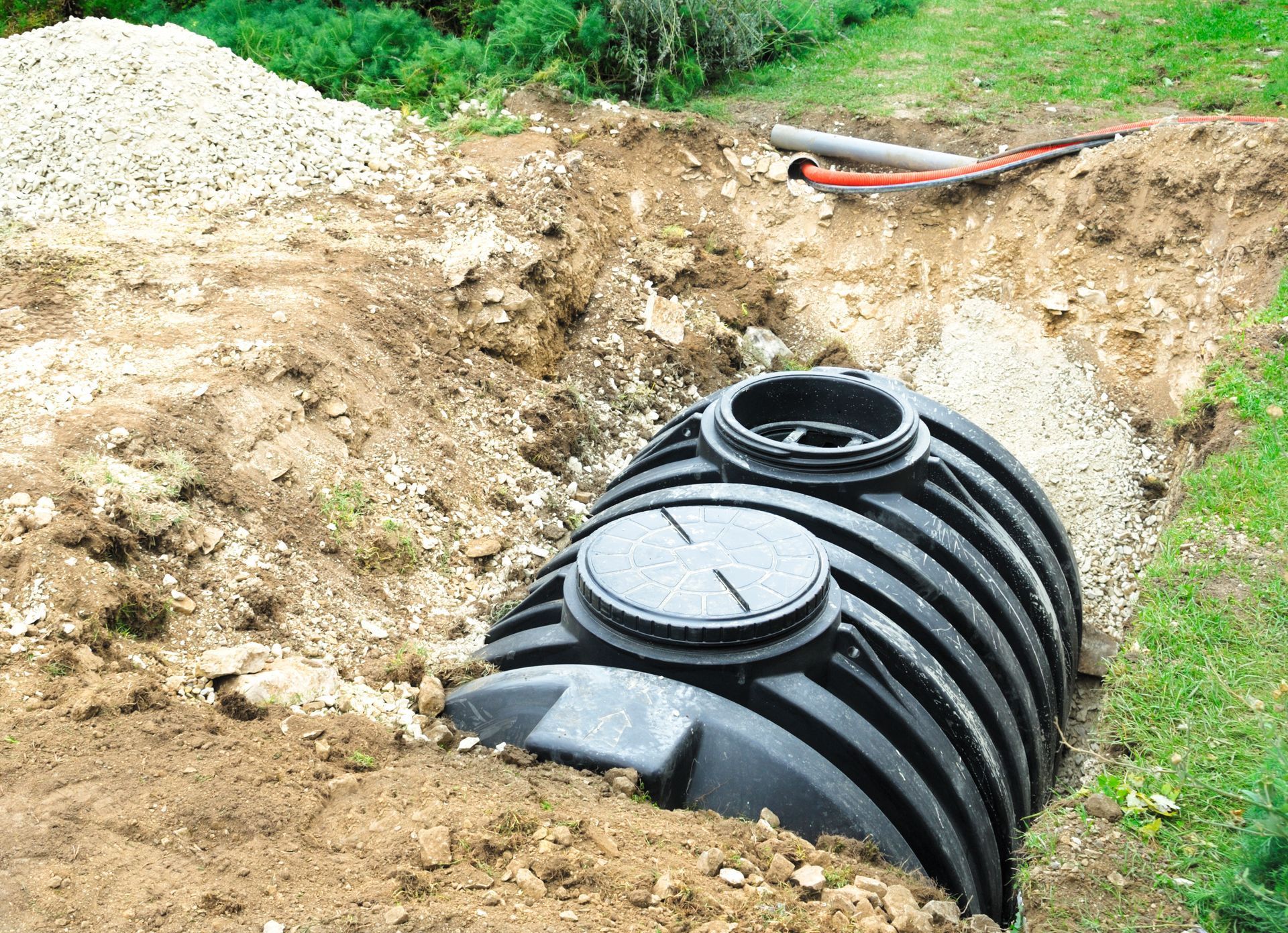
An ATU may be required when a conventional system cannot meet state separation standards or when the property sits in an environmentally sensitive area. ATUs inject air into the tank to support aerobic bacteria, producing effluent 90 to 95 percent cleaner than that of a conventional septic tank.
In Okaloosa County, ATUs are commonly needed on smaller lots closer to the coast, including properties near Destin, Fort Walton Beach, and Niceville. Proximity to the Gulf of Mexico, Choctawhatchee Bay, and Santa Rosa Sound triggers tighter environmental standards on those parcels.
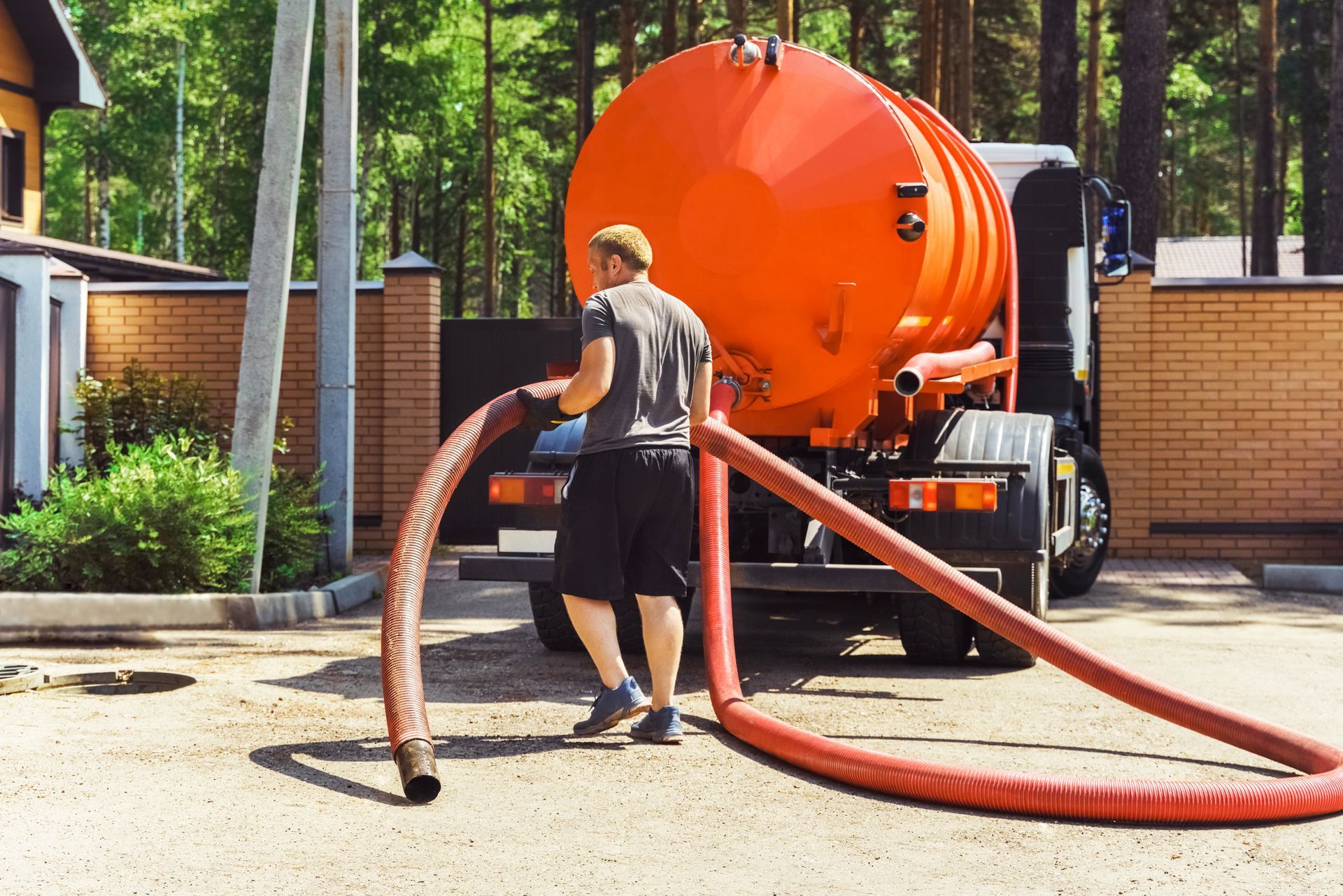
ATUs require an operating permit, so an ATU Septic Install comes with an ongoing maintenance obligation. Florida law requires quarterly service visits for most ATU systems. At each visit, a licensed technician checks the air pump, timer, float switches, and effluent quality.
Drip-Irrigation Systems
Drip irrigation is a dispersal method typically paired with an ATU. The ATU treats wastewater more thoroughly than a conventional tank, and effluent is dispersed through shallow trenches or drip lines across a smaller drainfield footprint. This makes the combination well suited for lots with limited space or challenging topography.
For coastal Okaloosa County parcels in communities like Destin or Mary Esther, where buildable area is tight and surface water is close, a drip-irrigation Septic Install may be the only option DEP will approve.
How Do Lot Size and Soil Conditions Affect the Decision?
Soil type and available lot area directly determine which system can legally be installed on your property. The lot must accommodate all required setback distances, the full drainfield footprint, and room for system replacement. A smaller lot with a high water table or poor soil absorption may not qualify for a conventional system and will require an advanced treatment system instead.
Before any permit is issued, your property must undergo a site evaluation. That evaluation includes a soil evaluation or percolation test, plus a site plan showing the layout of all components relative to property boundaries, buildings, wells, and surface water.
When the water table is too high, elevated systems such as mound systems or ATUs with reduced setbacks may be required. In low-lying areas near the bay or the Shoal River basin, this consideration can significantly change the scope of your Septic Install project.
Does My Property Require Enhanced Nitrogen Treatment?
Properties that fall within a Basin Management Action Plan (BMAP) area must meet enhanced nitrogen reduction standards of 65 percent or more on new installations and replacements. Florida's coastal waters are particularly vulnerable to nitrogen pollution, and checking your parcel's BMAP status before committing to a design is a smart early step.
Ready to Move Forward With Your Septic Install?
Zeb Watts Septic serves Okaloosa County, FL, and surrounding communities including Destin, Niceville, Fort Walton Beach, Crestview, and Valparaiso. Our septic installation work is tailored to local soil conditions, DEP requirements, and lot-specific constraints. Whether your property qualifies for a conventional system or needs an ATU with drip-irrigation dispersal, experienced local guidance can save you time and keep your project compliant.
To discuss your property and get a free estimate, visit our
septic installation page or
contact our team today. You can also reach us directly at
(850) 826-2982. Find us and read reviews from your neighbors on Google:
Zeb Watts Septic.